What You Need to Know Before Purchasing Binoculars (for Safaris): 7 Tips to Unlock the Wild

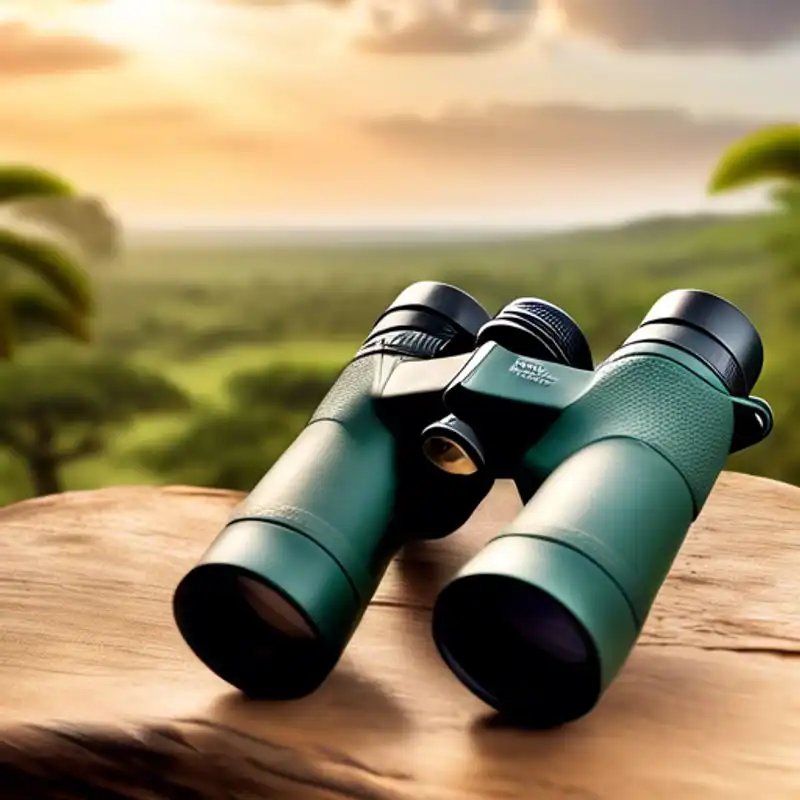
Backpacking Safari Binoculars: Your Essential 2026 Guide
Planning a backpacking safari in 2026 requires careful consideration of your gear, and binoculars are a crucial component. This guide covers what you need to know to choose the right pair for your adventure.
When selecting binoculars for a safari, prioritize magnification and objective lens diameter. A common and effective range is 8x42 or 10x42, offering a good balance between field of view and detail. Higher magnification can be shaky without a tripod, which is impractical for backpacking.
Weight and durability are paramount for backpackers. Look for compact, lightweight models made with rugged materials. Waterproof and fog-proof features are also essential for unpredictable weather conditions. Consider rubber armor for extra grip and protection.
Understand that better optics come with a higher price tag. While budget binoculars exist, investing in a mid-range to high-quality pair will significantly enhance your viewing experience, allowing you to spot wildlife from a distance with clarity and detail. Read reviews and compare specifications before making a purchase.
Don't forget essential accessories such as a comfortable neck strap, a protective case, and a lens cleaning kit. These will ensure your binoculars are always ready for action and well-maintained throughout your safari.
Unveiling the Safari Secrets: 7 Tips to Choose the Perfect Binoculars
Ah, binoculars. The trusty companions of safari adventurers, bird watchers, and anyone who wants to bring distant landscapes closer. But with so many options out there, choosing the right pair can feel like a jungle expedition itself! Fear not, fellow explorer, I'm here to guide you through the wilds of binocular selection. Let's break down the top 7 things to know before you embark on your purchasing journey.
First things first: magnification and objective lens size. These two factors determine how much you'll be able to zoom in and the amount of light your binoculars gather. For safari adventures, you'll likely want a magnification of 8x to 10x and an objective lens size of 42mm to 50mm. It's a balance between powerful zoom and bright images, even in low light conditions.
Next, let's talk about field of view. This measures how wide of an area you can see through the binoculars. A wider field of view is excellent for scanning the landscape, while a narrower field of view offers greater detail at a specific target.
- Determine the magnification and objective lens size you need based on your intended use.Magnification is the power of the binoculars to enlarge objects. Objective lens size is the diameter of the front lens, which affects the amount of light gathered and the brightness of the image. For safaris, you'll typically want a magnification of 8x to 10x and an objective lens size of 42mm to 50mm. This combination offers a good balance between magnification, brightness, and portability.
- Consider the field of view and eye relief to ensure comfortable viewing.Field of view refers to the width of the area you can see through the binoculars. A wider field of view is beneficial for quickly scanning large areas. Eye relief is the distance between the eyepiece and your eye. It's important to choose binoculars with sufficient eye relief to avoid eye strain. Look for binoculars with at least 15mm of eye relief.
- Look for binoculars with multi-coated lenses for improved light transmission. Multi-coated lenses have multiple layers of coatings that reduce glare and reflections, resulting in brighter and sharper images. This is especially important for safaris, where you might be viewing animals in low light conditions. Look for binoculars with fully multi-coated lenses for the best performance.
- Decide between roof prism or porro prism design based on your preferences.Roof prism binoculars are compact and lightweight, while porro prism binoculars offer a wider field of view.
You may also like
Magnification & Objective Lens: Finding Your Perfect Viewing Fit
When determining the magnification and objective lens size you need, it's essential to consider your intended use. For general observations, a magnification of 4x to 10x is often sufficient, while more detailed work, such as microscopy or astronomy, may require higher magnifications like 40x to 100x. The objective lens size also plays a crucial role; larger diameters (e.g., 25mm or greater) allow more light, enhancing image clarity in low-light conditions.
For activities like birdwatching or hiking, a portable option with 8x42 specifications (8x magnification and a 42mm objective lens) is ideal. If you’re diving into scientific research, consider investing in a microscope with variable magnifications, typically ranging from 10x to 1000x, depending on the specimen.
In terms of costs, basic binoculars or telescopes can start from as low as $50, while high-end models may exceed $2000. Don’t forget to factor in additional expenses like tripods or filters, which can enhance your viewing experience and typically range from $20 to $300.
Always remember, the right combination of magnification and objective lens size can greatly influence your observation quality, so tailor your choices to fit the specific needs of your adventure!
Solo Traveler's Guide: Essential Binocular Tips for Your 2026 Safari Adventure
Planning a solo safari adventure in 2026? Don't let poor vision hinder your experience! Understanding the essentials of safari binoculars is crucial for solo travelers, ensuring you maximize wildlife sightings and truly immerse yourself in the breathtaking African landscape. Choosing the right magnification and objective lens diameter is paramount. For general wildlife viewing, a magnification of 8x or 10x is usually ideal, offering a stable image without excessive shake. The objective lens diameter, often represented by the second number in specifications like 8x42, dictates how much light enters the binoculars. A larger diameter (42mm or more) will provide brighter images, especially in low-light conditions like dawn and dusk, which are prime times for spotting animals. Consider waterproof and fog-proof models; unpredictable weather can quickly ruin your optical investment and your viewing pleasure. For solo travelers, compact and lightweight binoculars are a significant advantage, reducing fatigue during long game drives or treks. Think about the field of view – a wider field of view makes it easier to track moving animals, a vital feature when you're your own spotter. Finally, invest in a comfortable neck strap and consider a protective case to keep your binoculars safe and accessible throughout your unforgettable solo safari journey.